
Supported by professional testing, we build a closed loop of "Investigation - Grading - Treatment" to safeguard landfill environmental safety and ecological barriers.
Clearly required by national special documents · Comprehensive investigation / Grading assessment / One-site one-plan
In accordance with the requirements of national special documents such as Jianban Cheng [2025] No. 60 "Technical Guide for Environmental Pollution Risk Assessment and Treatment of Municipal Solid Waste Landfills" and Huan Guti [2025] No. 44 "Notice on Printing and Distributing the Implementation Plan for Environmental Pollution Hidden Danger Investigation and Treatment of Municipal Solid Waste Landfills", all landfills must comprehensively carry out hidden danger investigation and risk grading assessment and prepare a "One-Site One-Plan" special treatment plan.
Technical Guide for Environmental Pollution Risk Assessment and Treatment of Municipal Solid Waste Landfills
Notice on Printing and Distributing the Implementation Plan for Environmental Pollution Hidden Danger Investigation and Treatment of Municipal Solid Waste Landfills
Around two major special areas of safety and environmental hazards · Quantitative scoring · Risk grading
Around the two major special areas of safety hazards and environmental hazards, we comprehensively investigate the existing eight major risk hazards in landfills, establish a risk ledger, clarify the investigation key points and monitoring priorities of each risk, and conduct risk grading assessment based on quantitative scoring standards.
Focusing on structural safety hazards such as landfill gas, slopes, rainwater intrusion and impermeable systems
Methane accumulation areas, gas drainage wells, leakage channels and surrounding buildings requiring vigilance.
Waste body slope profile, weak layers, leachate saturation line, potential slip surface and slope toe protection facilities.
Rainwater entering the landfill under storm conditions, failed temporary cover locations, rising regulation tank water level and overflow risk points.
Layered structure of impermeable systems (geomembrane, GCL), rupture locations and pollutant penetration paths.
Focusing on environmental hazards such as leachate leakage, groundwater, surrounding soil pollution and environmental monitoring
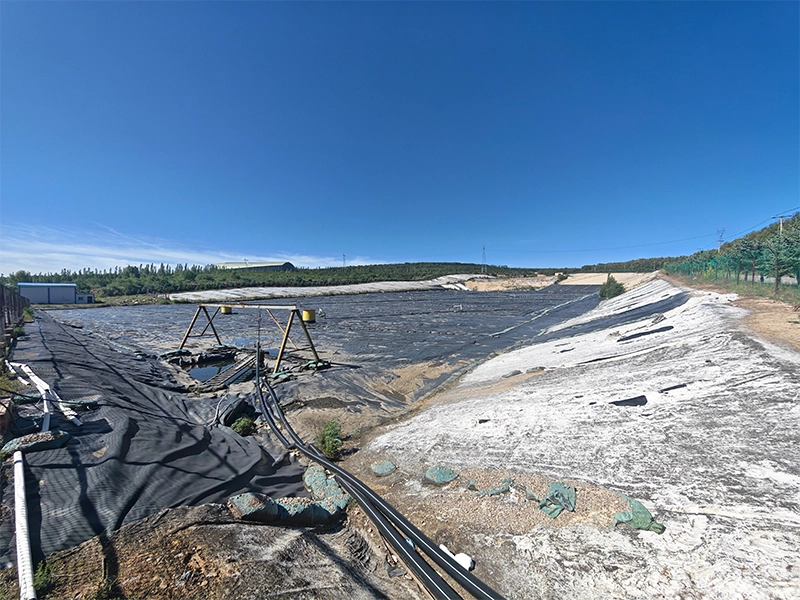
Integrity of impermeable systems, leakage paths of damaged points, and abnormal data from groundwater monitoring wells.
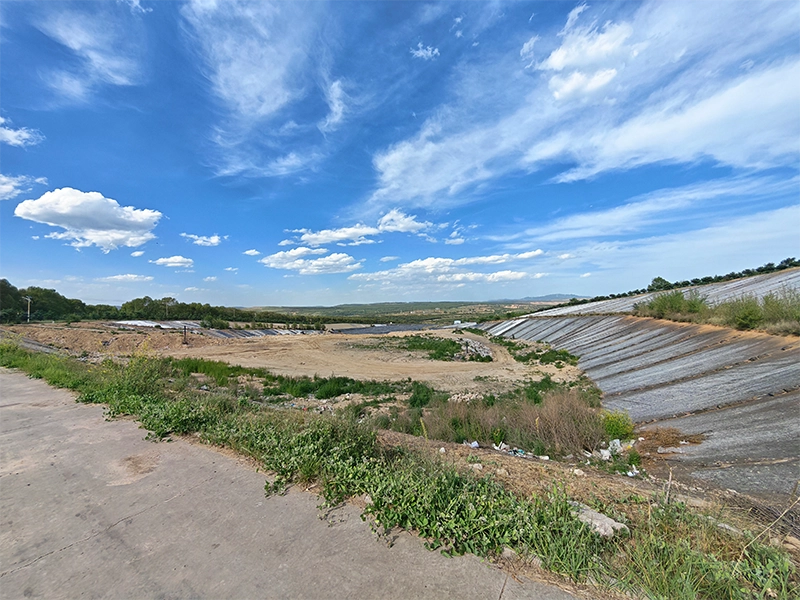
Relationship between landfills and groundwater aquifers, flow direction, pollution plume spread and downstream sensitive receptors (wells, rivers).
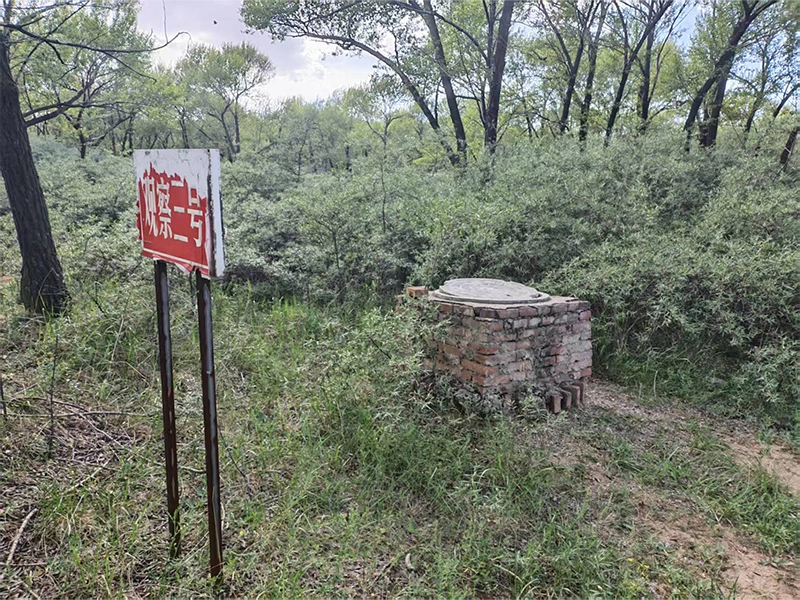
Migration paths of pollutants entering surrounding soil via surface runoff, dust, leachate overflow and other routes, along with soil sampling points.
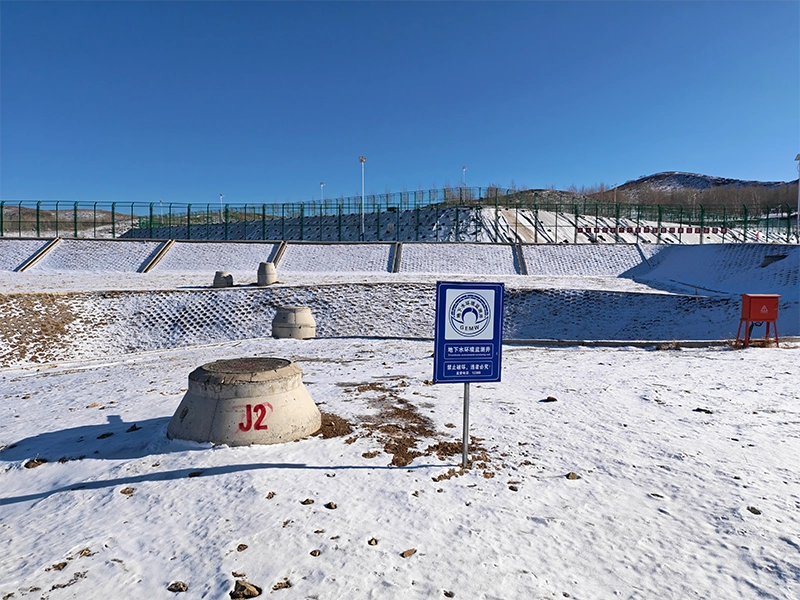
Distribution of monitoring facilities, failed equipment, data blind spots and monitoring points that should be added.
Combining important factor assessment with comprehensive risk scoring for classified quantitative evaluation
Any important factor of prominent hazards reaches the high-risk threshold, or comprehensive score ≥ 45; there may be systemic safety and environmental risks, requiring further special investigation.
Groundwater pollution is suspected medium risk, or comprehensive score 30 (inclusive) - 45; there may be phased hazards requiring further verification.
Overall risk is controllable and no further investigation or assessment is required.
Mostly closed or decommissioned landfills with basically no safety or environmental pollution risk.
| No. | Risk Level | Determination Conditions | Level Description |
|---|---|---|---|
| 1 | Suspected High Risk | Any important factor of prominent hazards reaches the high-risk threshold, or comprehensive score ≥ 45 | There may be systemic safety and environmental risks, requiring further special investigation |
| 2 | Suspected Medium Risk | Groundwater pollution is suspected medium risk, or comprehensive score 30 (inclusive) - 45 | There may be phased hazards requiring further verification |
| 3 | Low Risk | Comprehensive score 15 - 30 | Overall risk is controllable and no further investigation or assessment is required |
| 4 | Basically No Risk | Comprehensive score ≤ 15 | Mostly closed or decommissioned landfills with basically no safety or environmental pollution risk |
In-situ treatment · Source pollution reduction · Long-term management
Eliminate existing minor hazards on site without transporting waste elsewhere, minimizing secondary pollution and transfer risks.
Strengthen drainage, collection and treatment at pollution sources such as leachate and landfill gas to curb pollutant spread.
Establish routine monitoring and maintenance mechanisms, continuously track treatment results and ensure long-term environmental safety.
Five special engineering projects · Comprehensive treatment · Clear expected goals
| No. | Project Name | Treatment Content | Expected Goal |
|---|---|---|---|
| 1 | Waste Body Reshaping & Closure Greening | Slope reshaping of waste body; laying closure cover system (including gas venting layer, impermeable layer and vegetation layer) | Eliminate collapse risk and restore ecological vegetation |
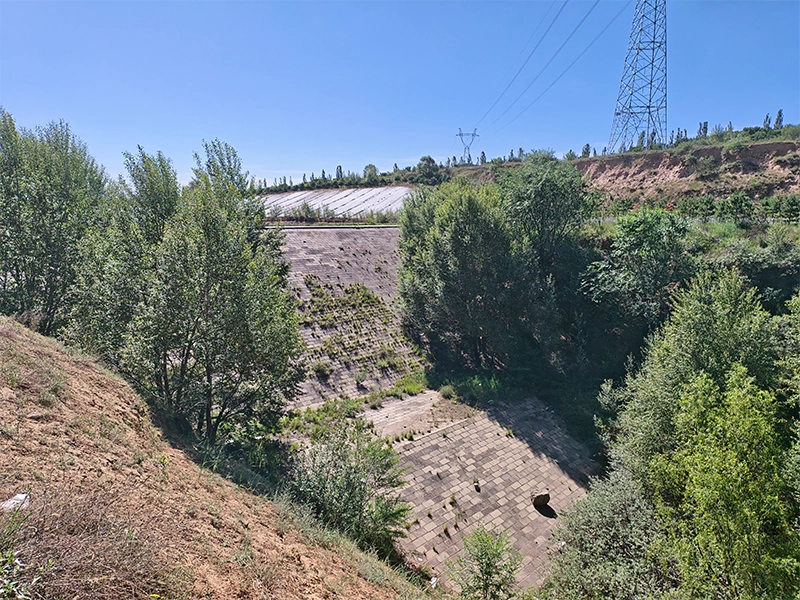
| 2 | Dam Slope Repair Special Project | Reinforcement of dam slope; crack repair; impermeability treatment; improvement of slope drainage | Ensure dam structural stability and safety |
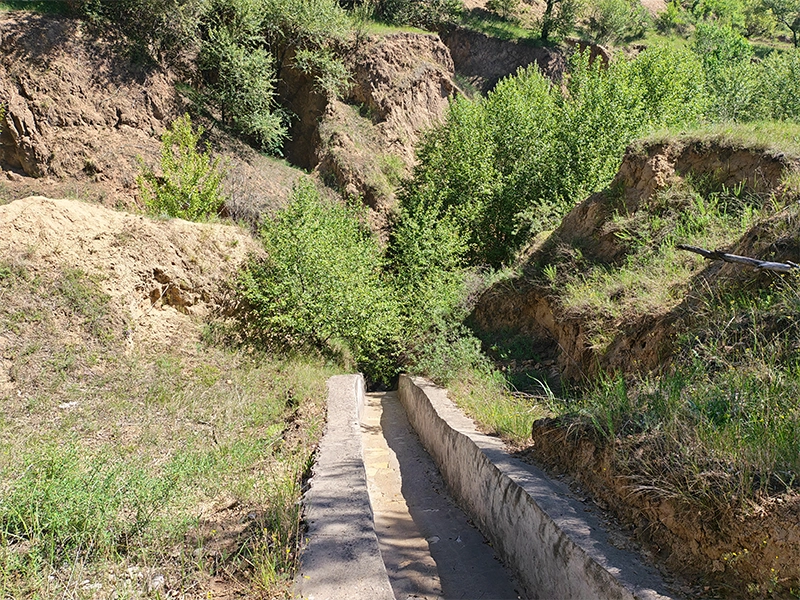
| 3 | Flood Diversion Ditch Maintenance | Dredging of flood diversion ditches; repair and reconstruction of damaged sections; energy dissipation and reinforcement on steep sections | Ensure flood control and drainage capacity of the site |
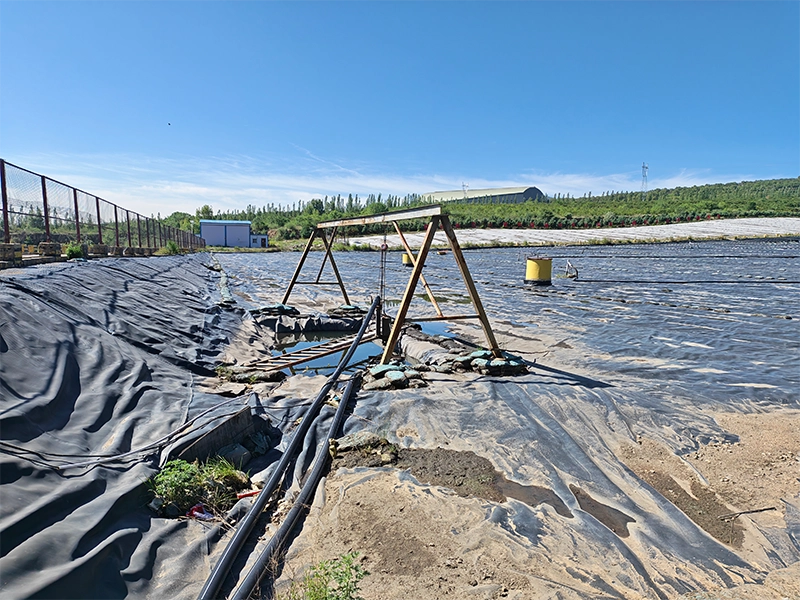
| 4 | Leachate System Upgrade | Clearance or reconstruction of drainage layer; expansion and impermeability of regulation tanks; upgrade of treatment process | Effective collection and compliant treatment of leachate |
| 5 | Groundwater Pollution Control Measures | Impermeable curtain grouting; downstream groundwater pumping and interception; denser deployment of monitoring wells | Block pollutant diffusion pathways |
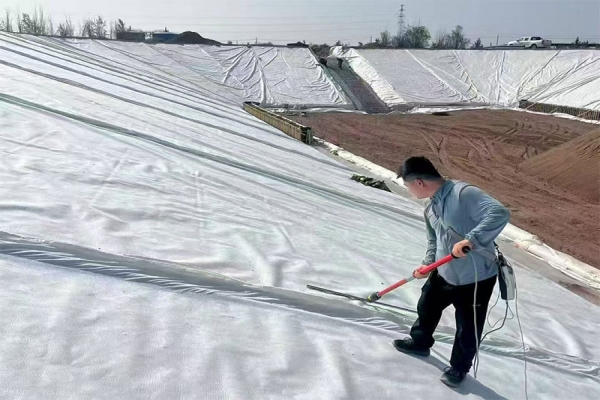
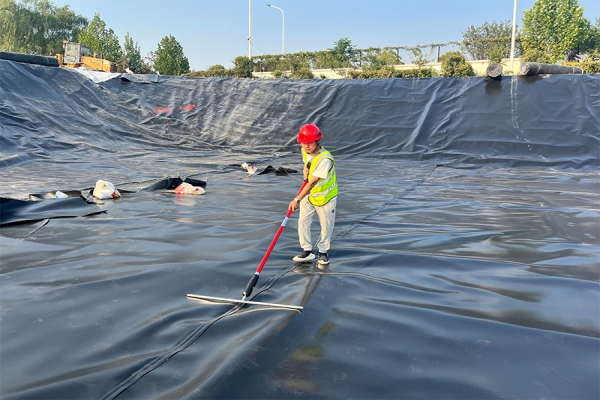
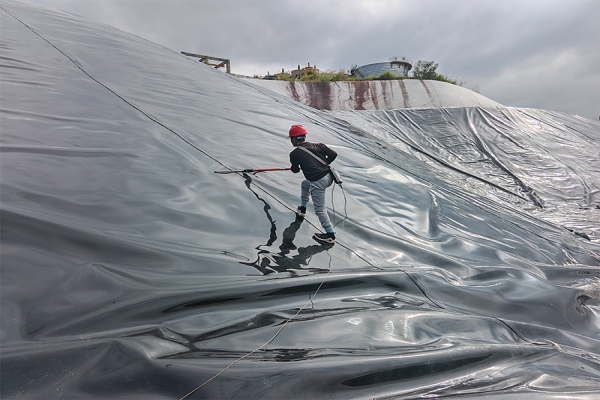
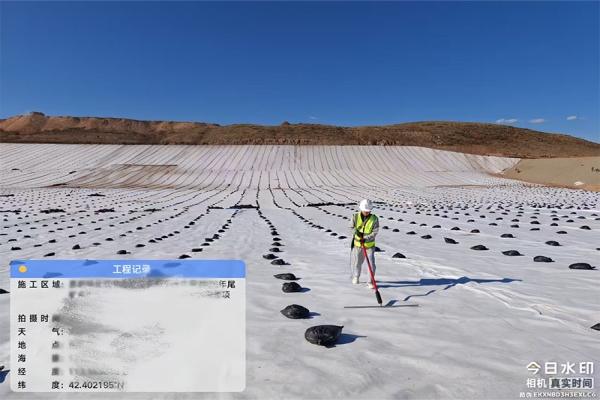
Reports of completed treatment projects are shown below
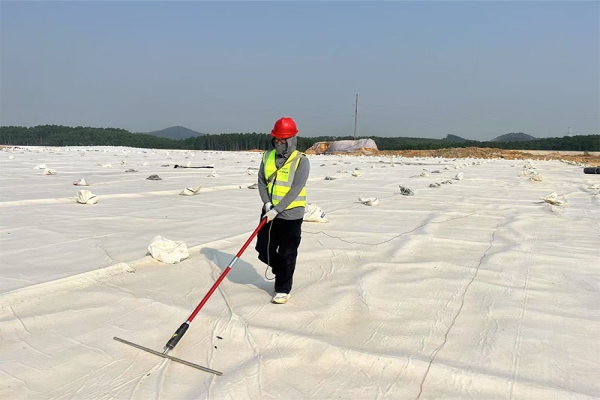
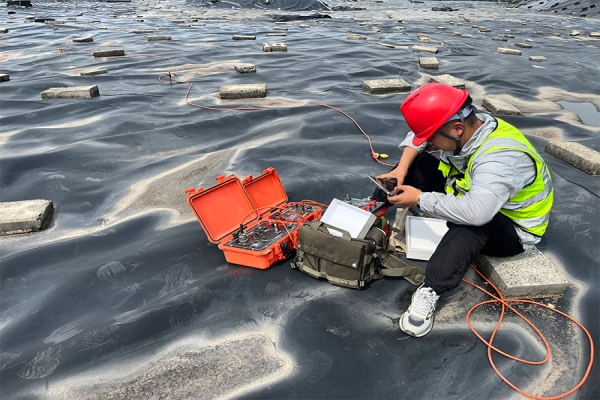
Jiangsu Fengyuan Testing Technology Co., Ltd. · Hazard investigation / Risk rating / One-site one-plan treatment plan preparation
Consult Now